We are well aware of the impact, both positive and negative, that travel can have on places, nature and culture worldwide. By reflecting over your impact, as a traveller, you also assume responsibility for making the most sustainable choices, regardless of whether this has to do with modes of travel, accommodation, how you interact with local residents and which companies you support.
To meet the challenges the world now faces, Swedish Lapland Visitors Board has presented the Care for the Arctic – it’s our home agenda. It includes several recommendations and guidelines for how the destination’s main stakeholders – tourism and hospitality companies, travellers and enablers – can act to preserve this place for generations to come.
We who are here now were not the first. And we will not be the last.
Six pieces of advice for the responsible traveller
The advice in the toolbox guides individuals and entrepreneurs in making active and informed choices, making thoughtful decisions, and taking responsibility. The aim is to create value; locally and globally. Simply because this is our home, something we all care about.

We are all in this together
This is a common journey towards the future, through thick and thin, come hell or high water, northern lights or midnight sun.
Give yourself time. Stay longer. Buy locally. Be a part of the local community. Listen to their stories and share yours with them. Only new stories told by the fireside, over a hotel breakfast or around the kitchen table can give us new ways of seeing how our future might look.
Welcome to share our Arctic journey.

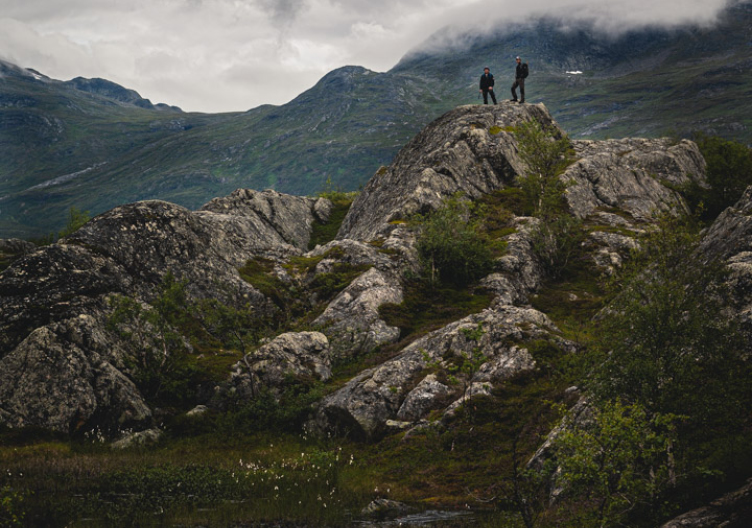
We define Swedish Lapland in a hundred ways or more. For the mountains, forests and wetlands, and for the major rivers flowing continuously into the archipelago of the Baltic sea. For the people who live here and for the broad, untouched expanses of untamed nature. For the art, music and literature. For a cultural landscape and for wildlife. Naturally, our everyday arctic lifestyle also defines us as people. Read more
When you visit, safeguard human rights and our common heritage. Also:
And on site, be curious and talk to the people you meet!
When you visit:
Remember, your travel places a burden on the environment. Plan travel so as to minimise your impact and be careful how you use energy while you are here. Also:
And when you visit, ask the companies and people you meet to help you do it right.
When you visit, support companies that operate locally and that foster equality and diversity. Also:
When you visit, remember that our destination is a unique region with arctic conditions and rapidly changing weather. Weather forecasts are available here, but remember that Swedish Lapland makes up a quarter of Sweden’s area and search for the nearest location. Also remember:
When you visit, enjoy your stay by meeting local residents and getting acquainted with, and respecting, their way of life. Other things to keep in mind:

Common global initiatives
Please note that Care for the Arctic – it’s our home is not a label or certification. It’s a toolbox to encourage everyone to contribute to, drive, and lead change processes and adjustments towards the 2030 Agenda for Sustainable Development – locally and globally, socially, economically, and environmentally.
The Care for the Arctic – it’s our home agenda has been produced according to the UN’s goals for sustainability, Agenda 2030, and Swedish Lapland’s strategy for realising the vision of being the Arctic’s most responsible destination. The EU’s tourism agenda 2030 and the Global Sustainable Tourism Councils (GSTC) standards have served as guidelines.

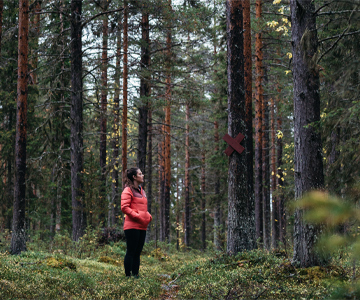
Is it really true that anyone can walk around the forests and beaches of Swedish Lapland? Pick berries and pitch a tent anywhere? Yup, that's exactly what it's like in the democratic forest.


Laponia is unique in so many ways. A place of universal worth both in terms of its culture and of its nature. Looking back at its history, this Sámi World Heritage holds a story for all eight seasons of the future.


The story of Sápmi is a colourful one, and an Arctic lifestyle without Sámi knowledge is inconceivable. Manifestly, as bearers of the cultural heritage, Sámi artists of today have a firm footing in the protection of the indigenous people’s land. But from a world in which even subtle details as bootlaces carry a history, we have a great deal to learn.

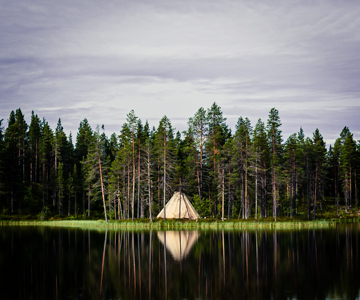
A breath of fresh air never hurts. That has always been our roundabout way of trying to explain what it is that makes nature good for us human beings. But the results of more and more research in recent years have shown just how beneficial spending time in the great outdoors is for human health and wellbeing. Science confirms a piece of time-honoured folk wisdom. It’s time for a walk in the woods.
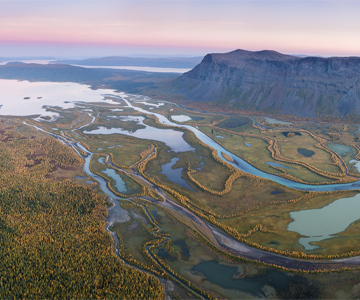
National parks are areas featuring a certain type of landscape, protected to preserve their natural condition. It's about creating opportunities to experience nature. Swedish Lapland has the most, the oldest and the largest national parks in Sweden.
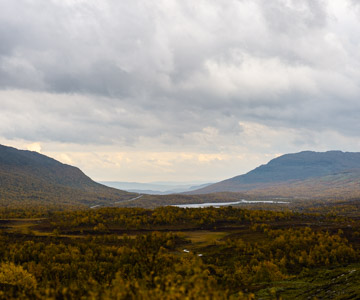
When you visit Swedish Lapland, you will notice that our food culture is closely intertwined with our lifestyle. There is a strong tradition that testifies to how we have lived from what nature has generously provided us with for many millennia. Join us on a guided tour of our natural resources, taking the shortest possible route to the plate.