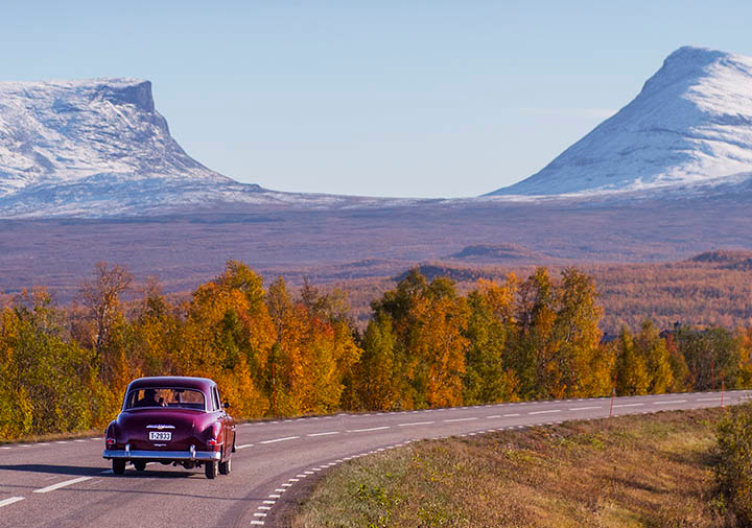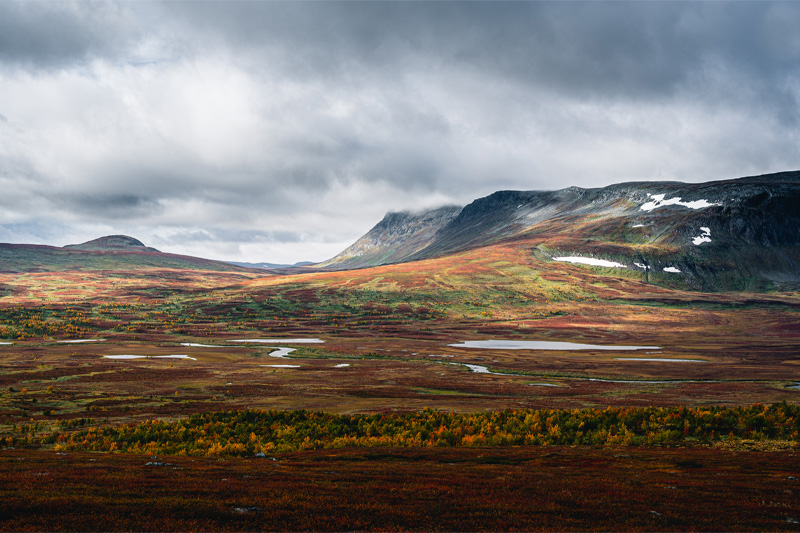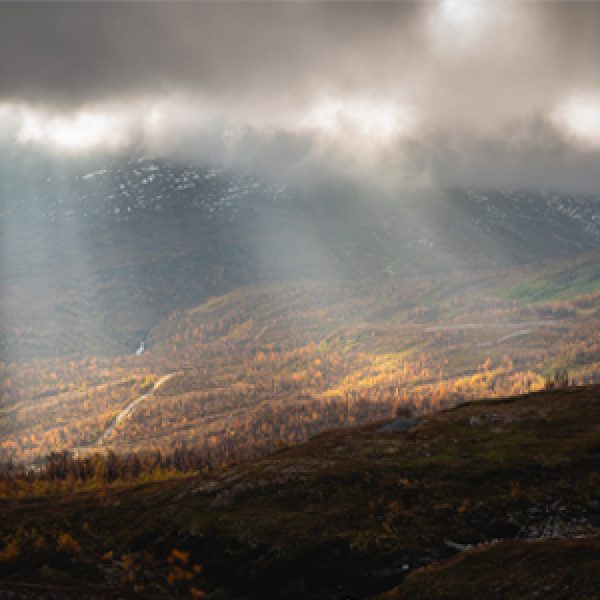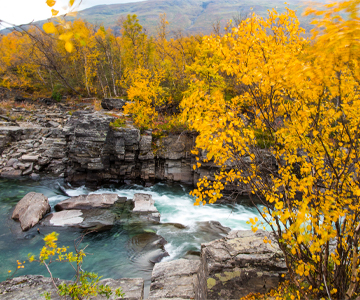
Autumn… It can be really boring… and dreary… and just… just wonderful! Autumn is so immediate; it makes its first appearance after a chilly night and then moves on at full speed. Its colours and clear air must be experienced in the same immediate way: right now!
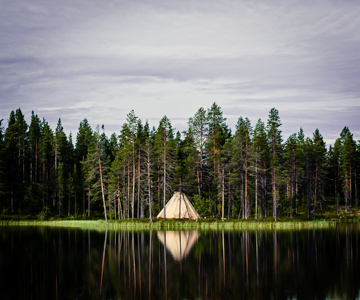
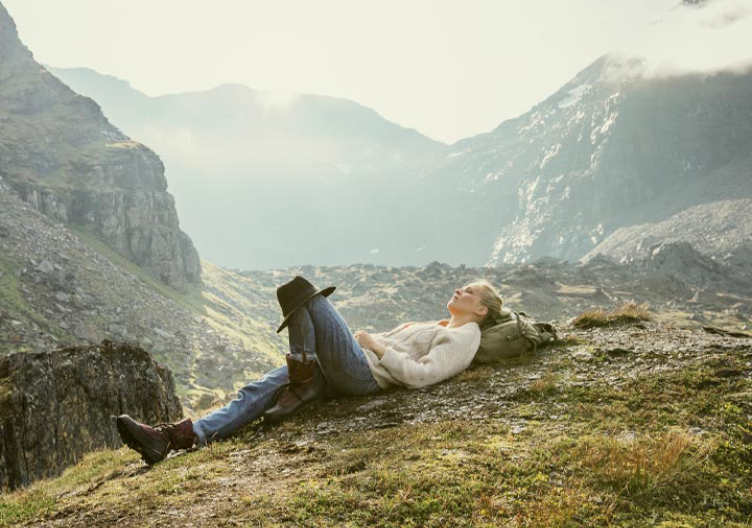
A breath of fresh air never hurts. That has always been our roundabout way of trying to explain what it is that makes nature good for us human beings. But the results of more and more research in recent years have shown just how beneficial spending time in the great outdoors is for human health and wellbeing. Science confirms a piece of time-honoured folk wisdom. It’s time for a walk in the woods.

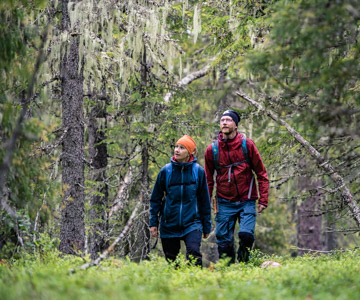
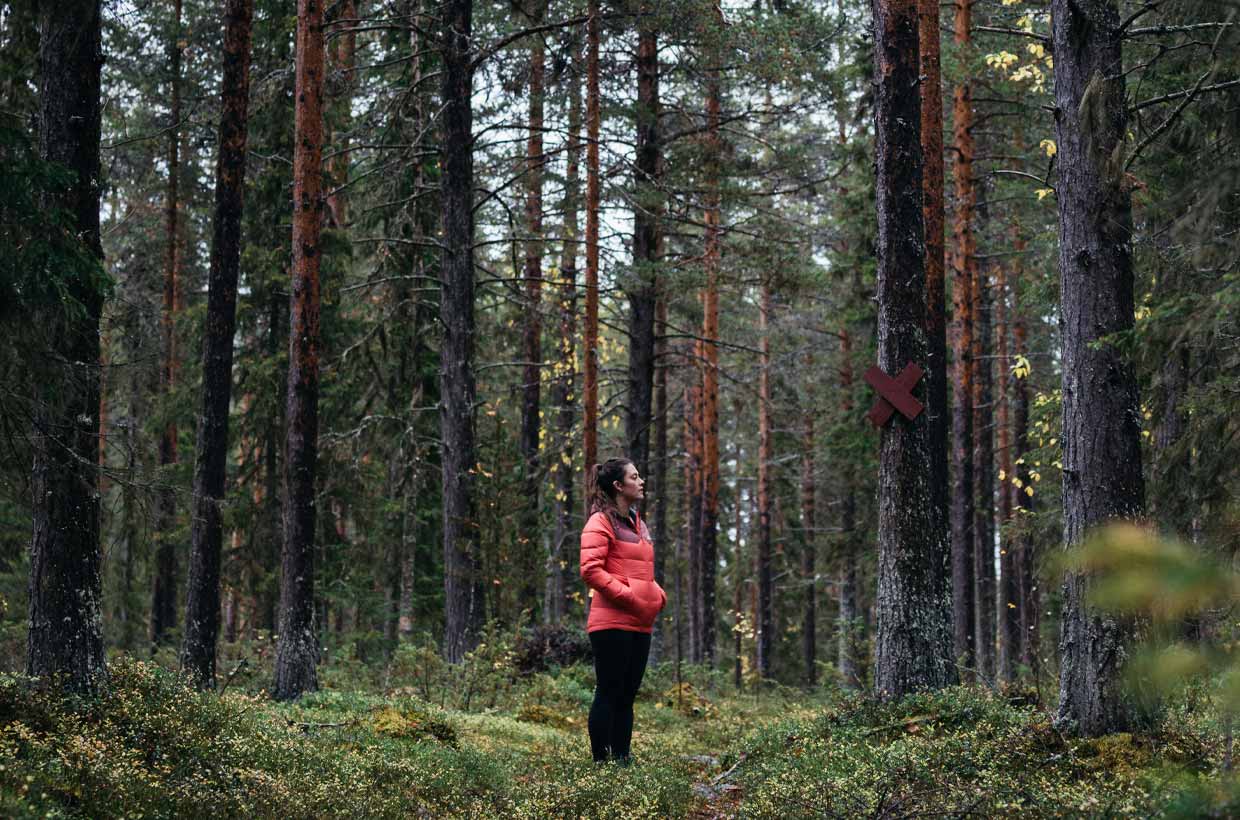
Getting just the right amount of physical activity will do you good. This is common knowledge. It's also said that nature is a healer for both body and soul. Maybe more so than ever in late summer when the colours begin to change, from sharply green to fiery red and orange. The air becomes wonderfully crisp and fresh, filling your lungs and your mind with energy.
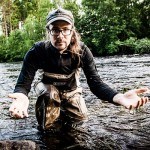
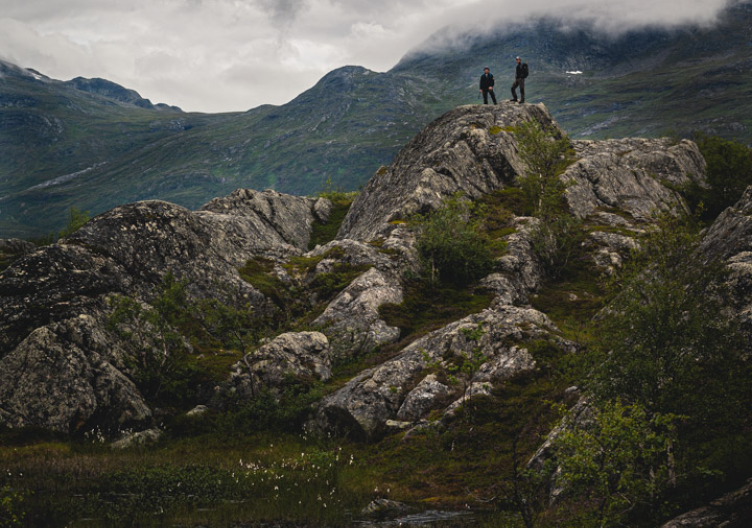
Swedish Lapland presents remarkable hiking opportunities with expansive landscapes, tranquil beauty, and pristine nature. Embark on peaceful treks, spending days in solitude with few fellow hikers in this unspoiled environment.
Norrbotten boasts 2250 kilometers of official trails. Major routes include Padjelantaleden, Nordkalottleden, and Kungsleden, each with its own charm. Shorter trails are available in every municipality, with coastal hikes and island options like Seskarö in Haparanda.
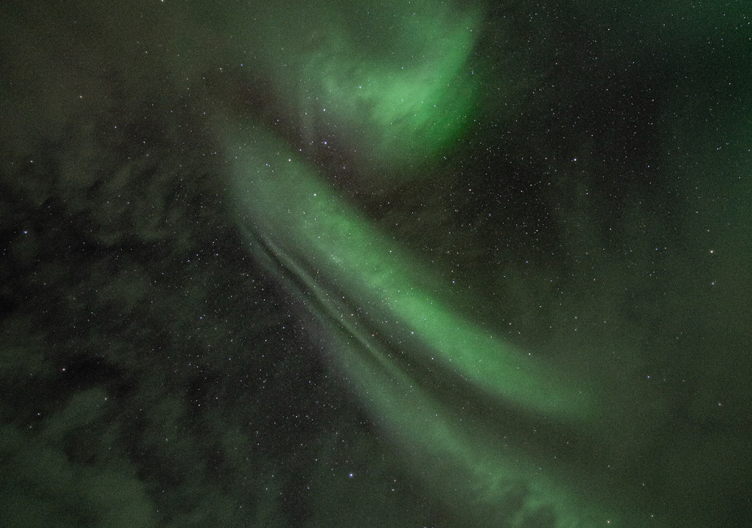
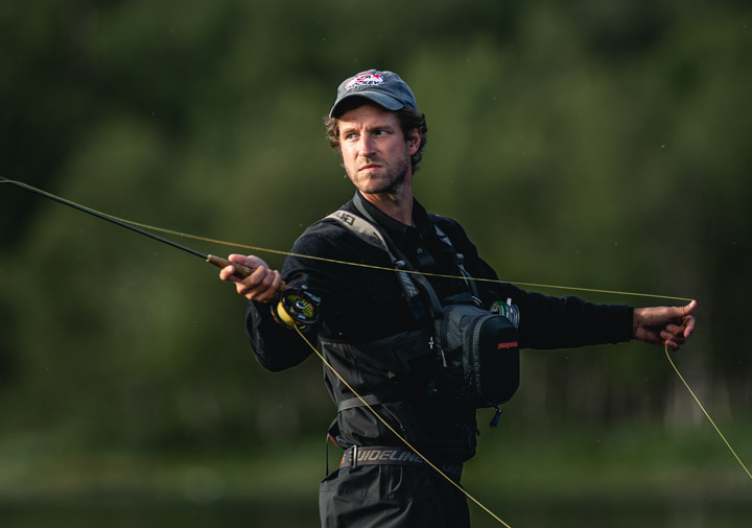
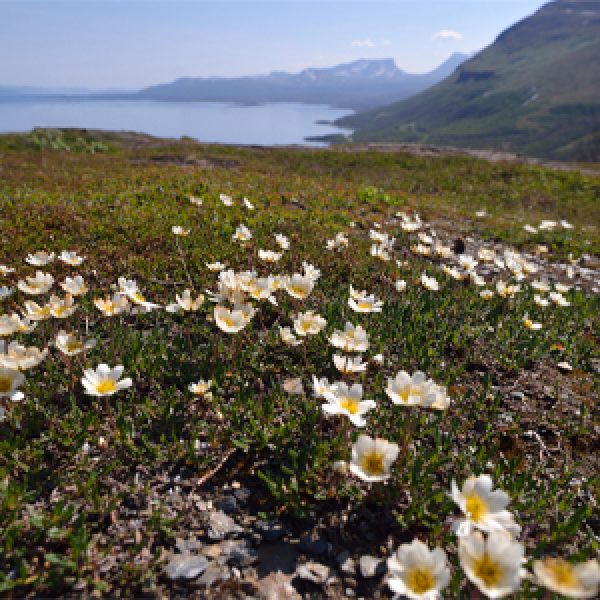
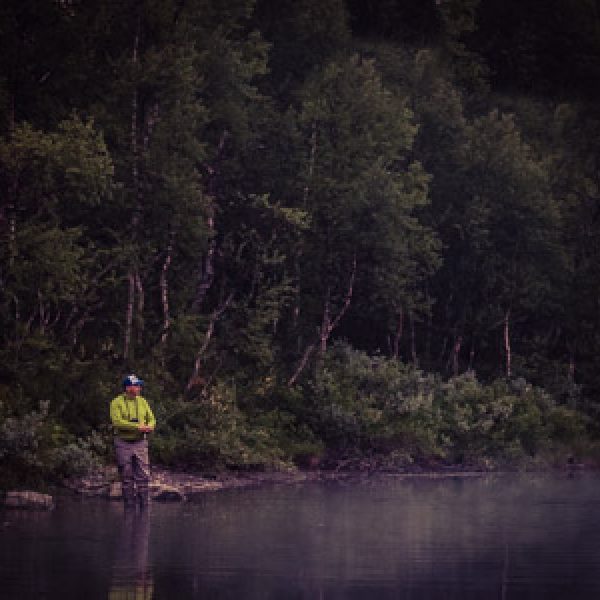
Hike between June and September to enjoy the midnight sun, mild temperatures, and breathtaking autumn colors. Autumn also offers clear air, fishing, and the possibility of spotting the northern lights.
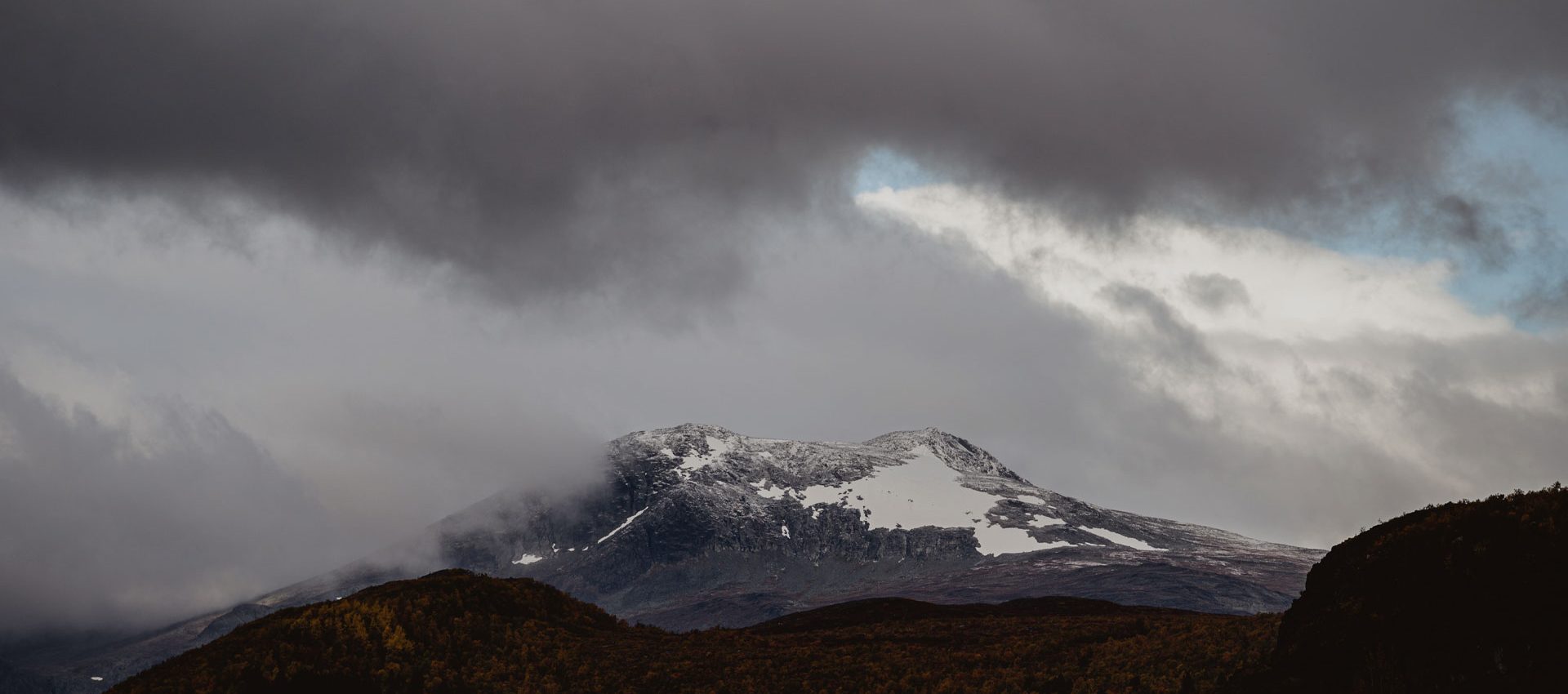
…that many hiking trails offer pre-bookable mountain cabins? Along Kungsleden, in Abisko, Kebnekaise, and the Laponia World Heritage area, you’ll find cabins for those who prefer not to camp. Some have cabin guards and sell basic supplies, while larger mountain stations offer extra services.
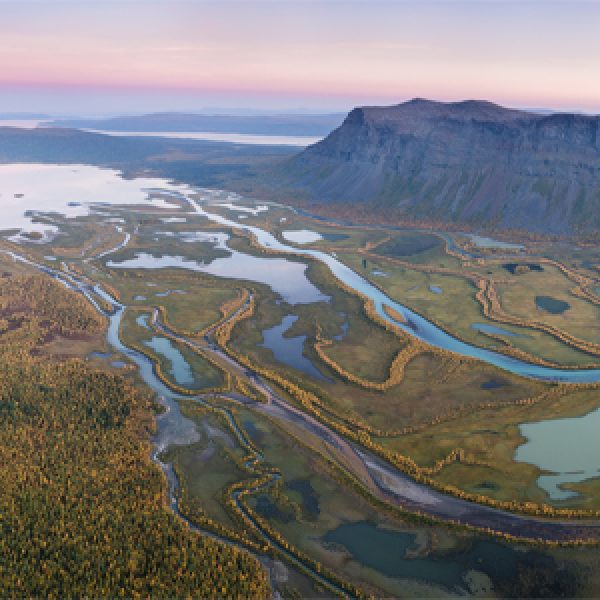
…that Sarek National Park has no marked trails or cabins? Hiking here requires experience and proper equipment, with dramatic landscapes of peaks, valleys, and glaciers.
…that Kungsleden stretches over 250 miles from Abisko to Hemavan? It’s considered one of Europe’s most beautiful trails, passing through four national parks: Abisko, Stora Sjöfallet, Sarek, and Pieljekaise.
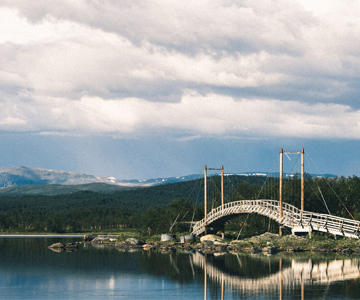
The King's Trail runs through Sweden's most beautiful mountain scenery and provides more than 400 kilometres' worth of hiking adventure for the first-time hiker as well as the truly experienced mountain veteran. It is one of the world's most famous hiking trails, and the stage between Abisko and Nikkaluokta is the most-travelled trail in all of Sweden.
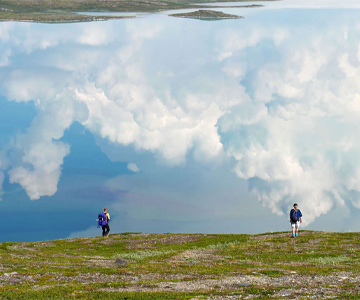
The Sámi call it Badjelánnda – the higher land. It's Sweden’s largest national park, right next to the Norwegian border and a part of World Heritage Laponia. A favourite location for those who want to be on their own for a bit. It's the beginning of autumn when Håkan Stenlund sets his sights on Consul Persson's cabin. A lonesome trek back.
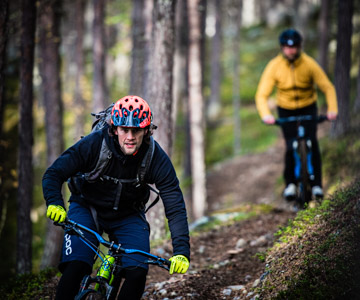
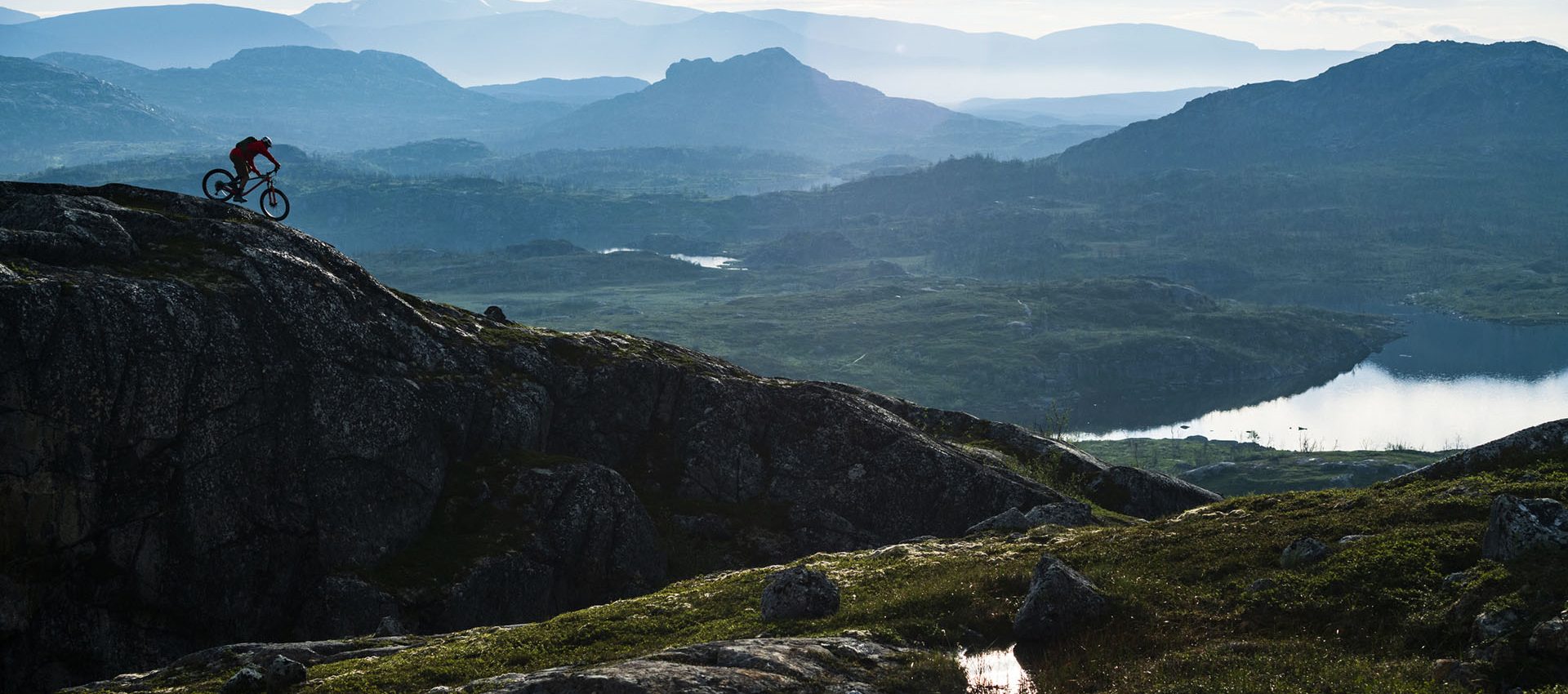
If biking in Swedish Lapland were a song, which song would it be? "Take Me Home, Country Roads", John Denver's 1971 hit, would definitely be in the running. Dusty gravel roads, blue mountains and that constant feeling of being right at home.
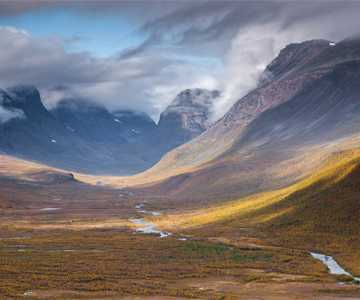
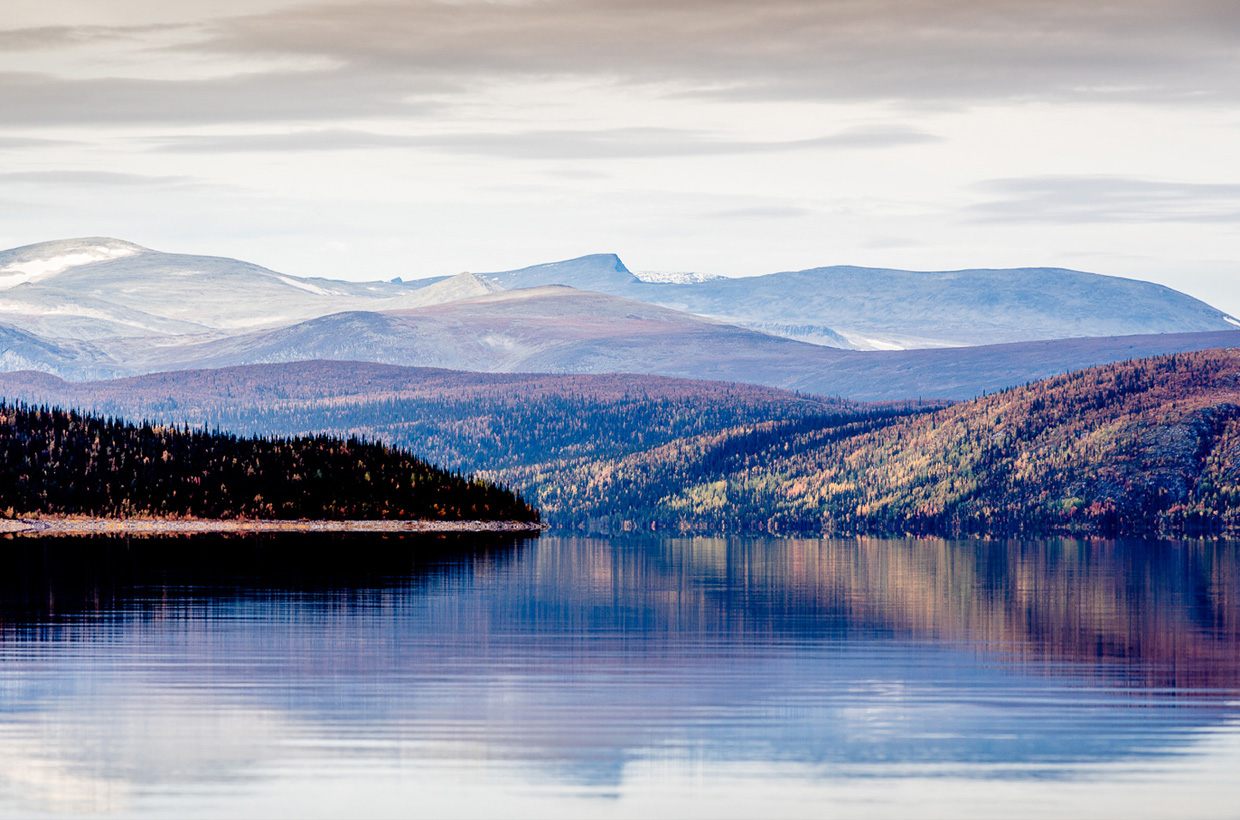
Autumn has only just claimed the land. Warm days in the sunshine, but cold at night when that same sun disappears behind the mountains. The landscape is coloured by the demands of the season. This is a story of a September hike around Šielmmáčohkka and upper Visttásvággi. A hike in a time of contrasts.
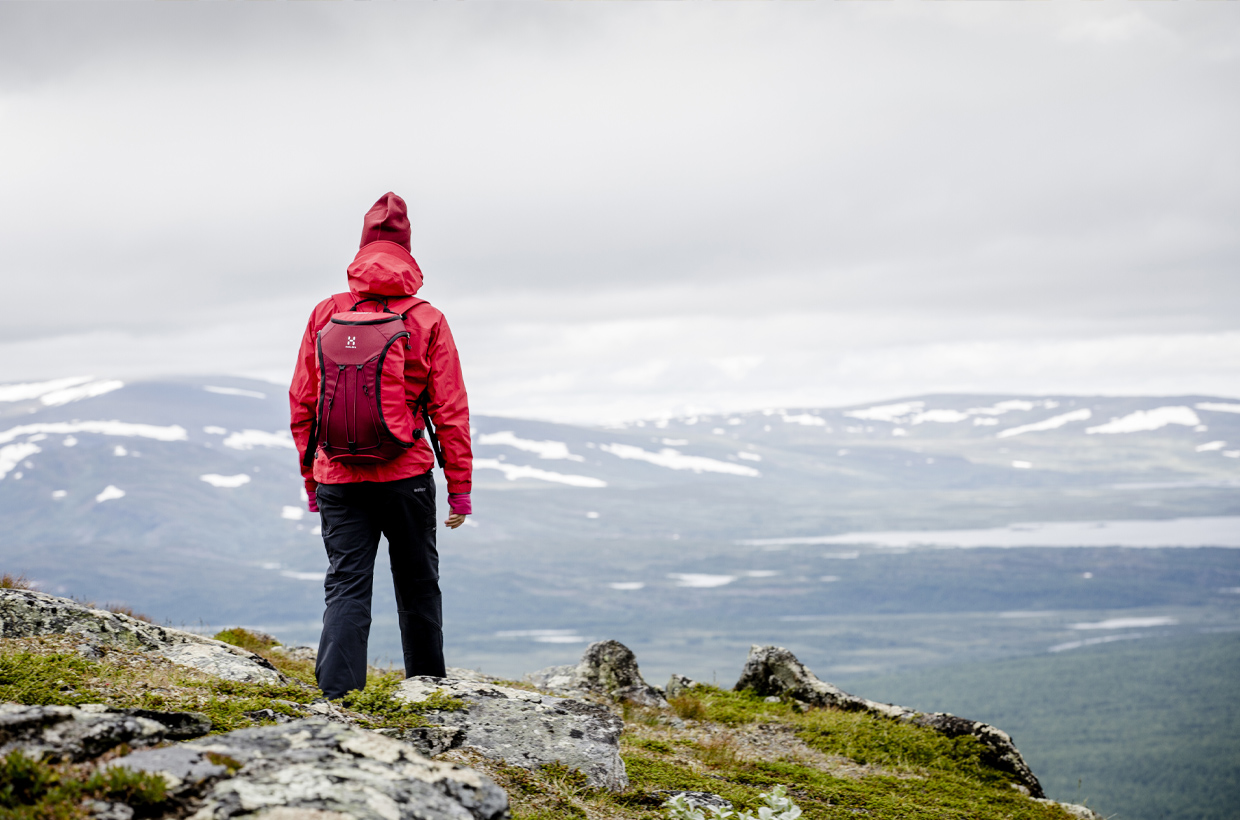
There’s no better way to begin an adventure than by hopping on a train. At several stations in Norrbotten, you can literally start your hike right from the train station, like in Abisko, where the Kungsleden begins just next to the station. Buses are also a good option; buses run to Saltoluokta, Ritsem, Kvikkjokk, and Nikkaluokta, all excellent starting points for hikes.
Yes, there are several beginner-friendly trails in Norrbotten. From Abisko, for example, there are easy and short hikes offering fantastic views. There are also simpler trails around lakes and through forests, making them perfect for families.
Yes, dogs are generally allowed, but the rules vary. In some national parks, such as Sarek, dogs are prohibited on certain trails. Always keep your dog on a leash, especially near reindeer grazing areas or wildlife.
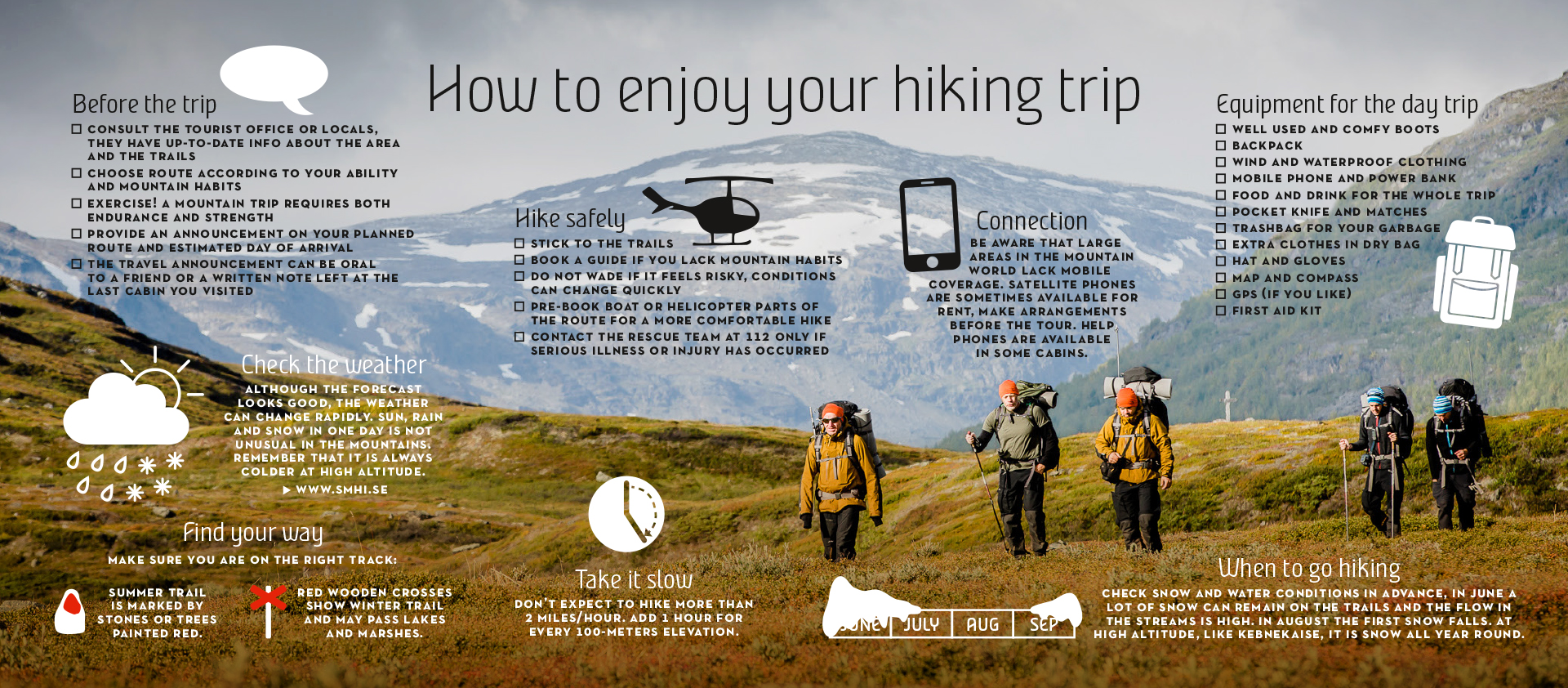
The weather in Norrbotten can change rapidly, so proper equipment is essential. Waterproof hiking boots, a comfortable backpack, and durable clothing are a must. Light clothing, sun protection, and insect repellent are also recommended. Don’t forget a map, phone, compass, a first aid kit, and extra food for safety.
Yes, there are rules to follow. In many national parks, such as Sarek and Abisko, you can only make fires in designated areas. There are also rules concerning camping and how long you can stay. Always check the regulations for the park you are planning to visit.

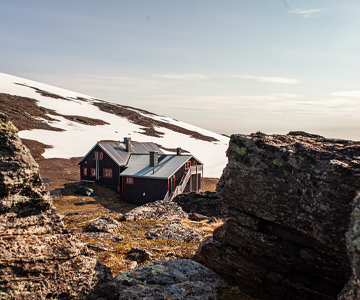
One thousand, two hundred and twenty-eight metres above sea level is where you find Sweden’s highest mountain station: Låktatjåkko. It takes you a couple of hours to walk there from Björkliden and halfway is probably where you’ll start craving the waffles.
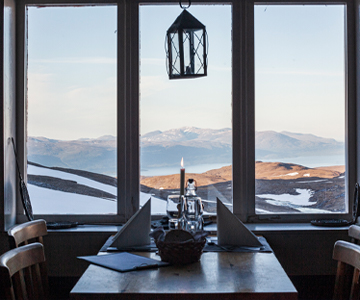
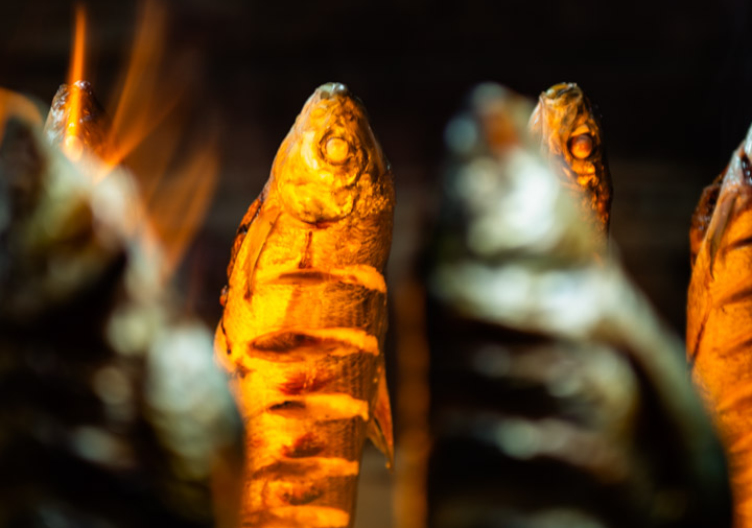
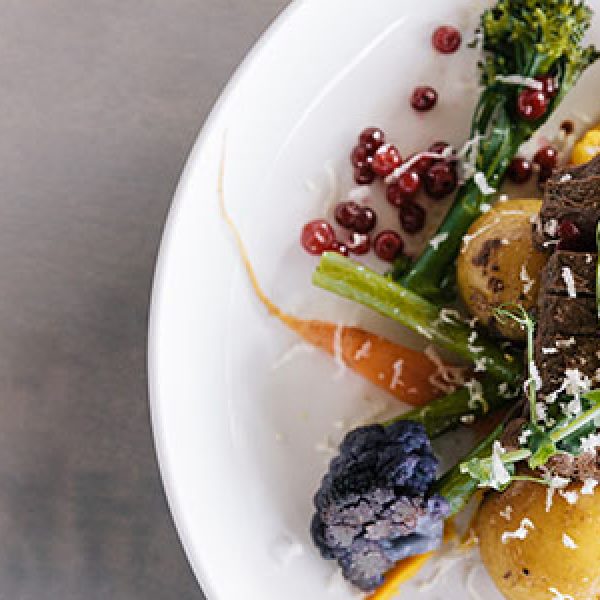
Fried Arctic char and boiled potatoes, in all their simplicity. It has been a long time since I ate so well and such uncomplicated food. Yet, the delicious taste is also associated with a very simple truth: Hunger is the best spice.
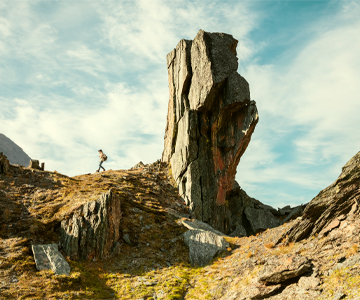
In Sámi it's called Geargevággi, which translates to Stone Valley in English. But in real life, it might as well be a fairytale.
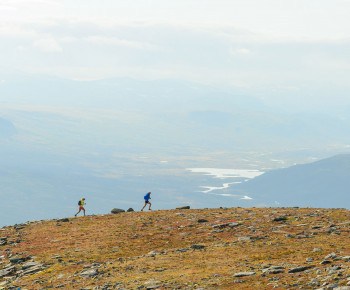
The most common way to experience King’s Trail (Kungsleden) is walking or skiing in a comfortable pace. But there are other ways – come along on an up-tempo journey through the scenic mountains of Swedish Lapland when Krissy, Luke and Fredrik takes on the challenge of spending a week running along this famous trail.
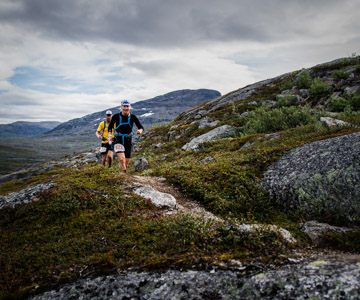
Running is in human nature. Long before urbanisation, jogging and rubber-soled shoes made tarmac commonplace, we kept to the trails. These days, trail running is enjoying a renaissance. Running for the experience and running for those who prefer personal challenges to personal bests.
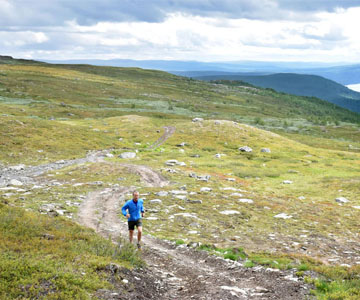
Trail running is becoming more and more popular, and it turns out that the mountains around Ammarnäs are ideally suited for the purpose.

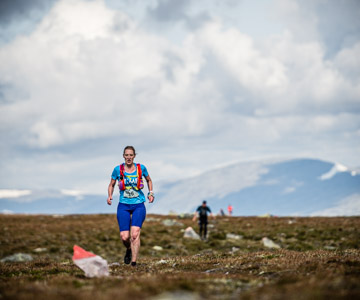
The helicopter takes us to the starting point, 18 kilometres out in the roadless land. The mountain terrain is magical. I cannot find a better word to describe it. Then there are sweat, pain, and doubts. Followed by laughter, pleasure, and euphoria. When it’s all over, all I can think about is: Why don’t all races take place in the mountains of Swedish Lapland?
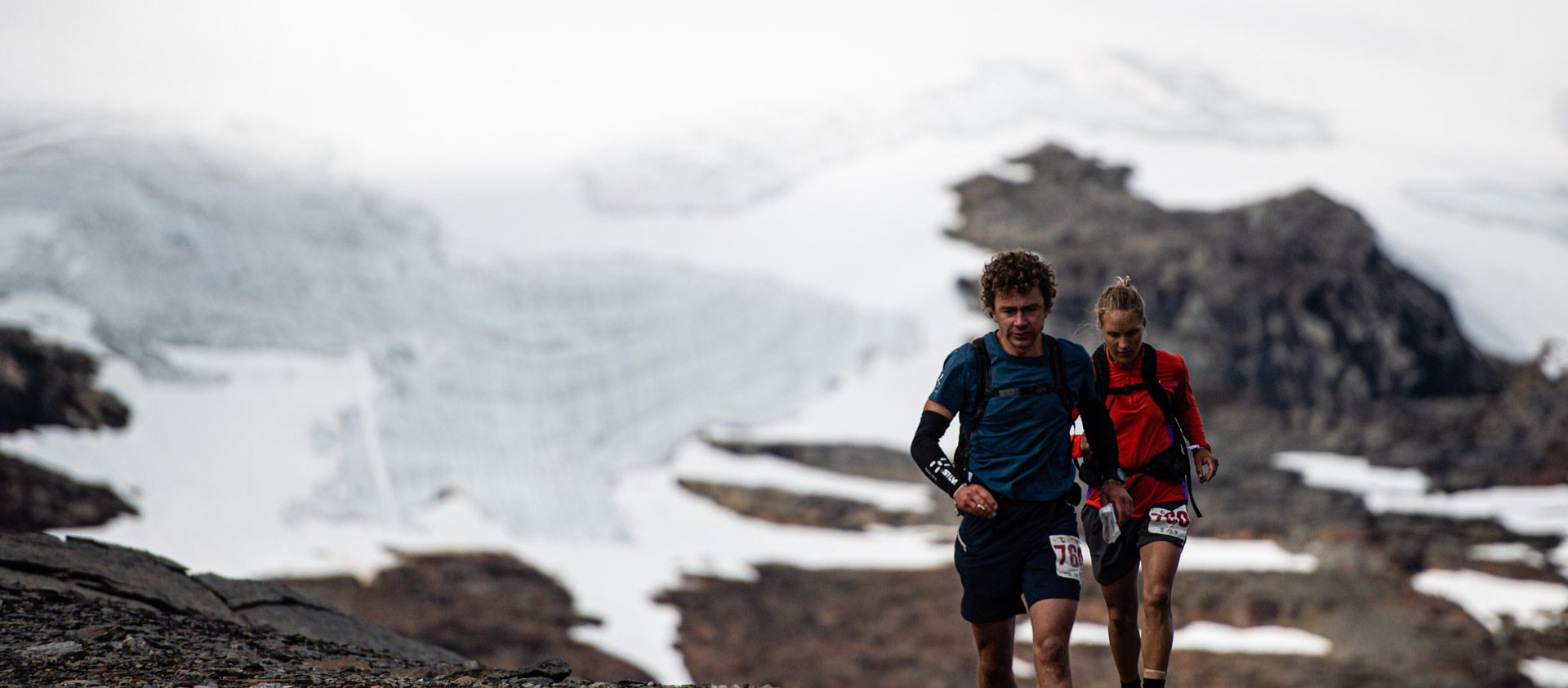
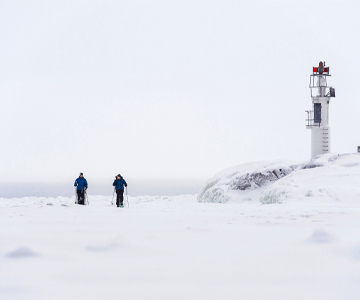
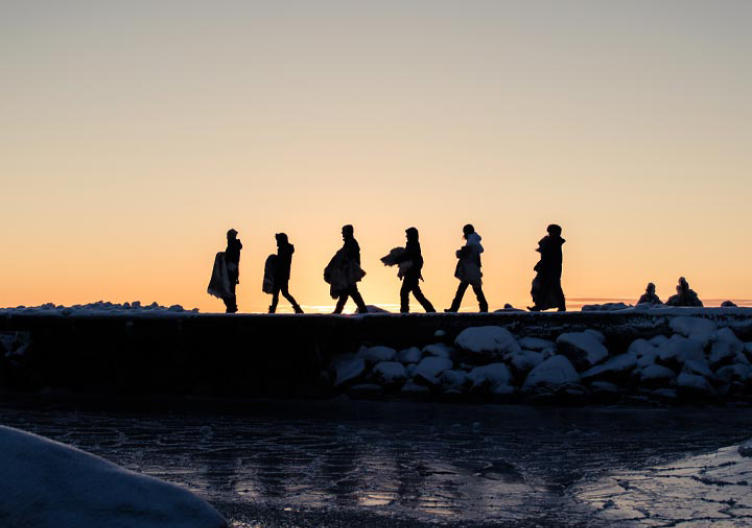
The ice age is always present along the coast of Swedish Lapland. From the constant land elevation to the barren, windswept frozen sea.
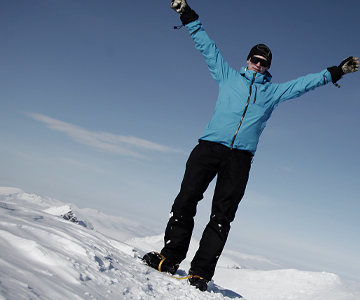
Anders and his friends climbed Kebnekaise, Sweden's highest mountain. This is a story about Kebnekaise in spring colours.
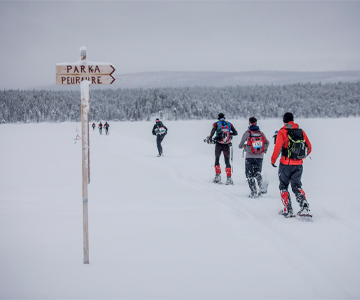
Ice Ultra is a trial of strength for the hardy. 230 kilometres on foot in February, through one of Europe's perhaps most mythical mountain landscapes.
Besides a few urban cities, Swedish Lapland is all about vast woodlands and roaring rivers. High mountains and winding coastlines. To explore is in our DNA, getting off the beaten tracks and into the wild.
Being in nature has always been, and still is, a huge part of everyday life for the people living in Swedish Lapland. One might think that this urge we have to be in nature is because this is considered a fundamental right in Sweden. To go hiking, paddling a canoe, pick berries or set camp for a night is a right defined in what we call the Right of Public Access or “Freedom to roam”.
You can spend time in every forest, pick berries and take them home, all according to this right of access. You can go hiking, set camp almost everywhere and make a campfire if there’s no danger of the fire spreading, all according to this right of access.
It’s available, accessible, and free, but we do ask for something in return – respect.
Pick as many blueberries, lingonberries and cloudberries you can carry with you – but use common sense and do not cause damage to the soil and vegetation, like tearing up shrubs, removing the bark, or picking large amounts of moss. It’s fine to make a campfire where there’s no danger of the fire spreading, but never light a fire on a rock as stone can crack. You may burn cones and twigs lying on the ground, but not chop trees down, so bring a few pieces of firewood. You’re allowed to camp almost everywhere, but not near someone’s house, farm, or pasture with grazing animals.
Welcome, the forest is yours.
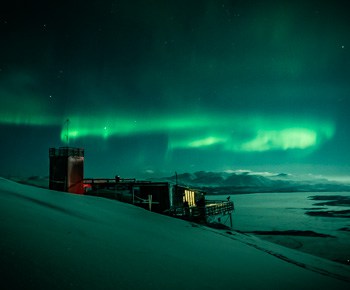
Abisko National Park, in Swedish Lapland, offers some of the best conditions in the world for northern lights watching. The unique climate of the area keep the skies almost clear, and the light pollution is next to nothing. And here, you also find the Aurora Sky Station.
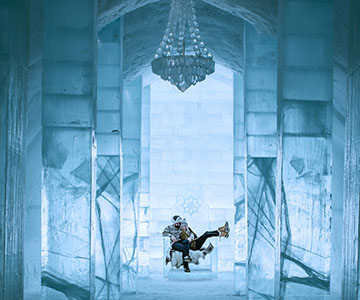
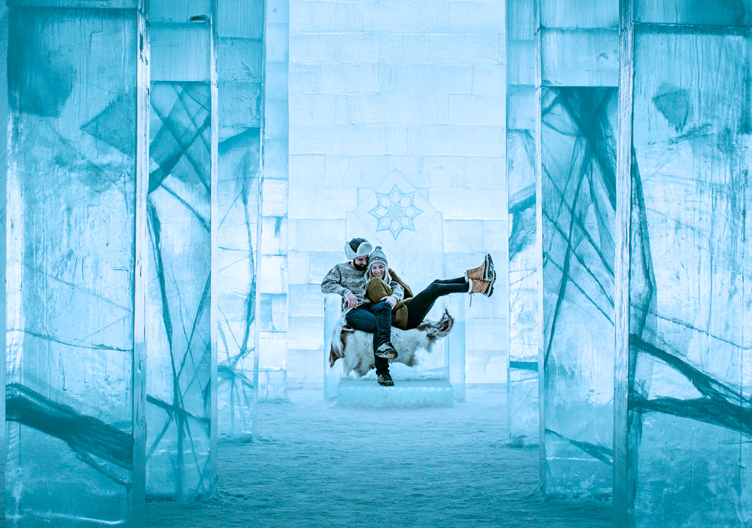
In the village of Jukkasjärvi, outside Kiruna, lies the original ICEHOTEL. Every year, since 1989, it has been reincarnated in a new rendition and there’s always more to come. From the beginning this was kind of a crazy idea in the winter, nowadays it’s as crazy all year round.

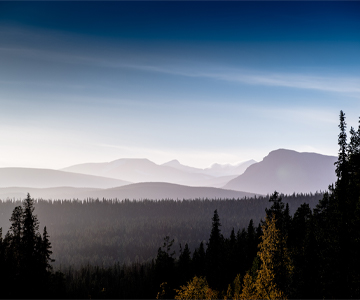
In Swedish Lapland, nature plays an intrinsic role in our life and work, and the people here are highly sensitive to the small details of the changing seasons. Therefore, it seems only natural that the Sámi people describe eight seasons instead of four.